
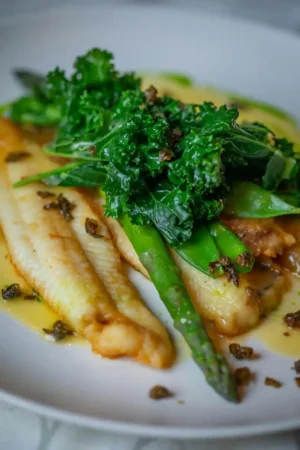
When I first learned about omega-3 fatty acids during pregnancy, I was standing in the grocery aisle, blankly staring at the canned fish. Salmon? Sardines? (Do I even like sardines?) I’d just read that DHA helps baby’s brain and eyes, and suddenly every label felt like a pop quiz. Add in the “mercury” warnings and the 8–12 ounce seafood thing—and I wanted to abandon my cart for the cookie aisle. If you’ve been there too, hand raised. I’ve absolutely Googled “Is light tuna okay?” while a toddler tried to climb out of the cart.
Here’s what I wish someone had told me right there in aisle five: this does not have to be stressful. A few friendly rules of thumb—how much DHA to aim for, which fish are the safest and most helpful, plus an easy supplement plan—can make omega-3s one of the simplest wins of your week. In this post, I’ll walk you through a mom-friendly, step-by-step plan that covers food, supplements (including vegan options), timing, and quick meals you’ll actually want to eat. By the end, you’ll feel steady and confident—and your baby’s getting the good stuff.
In this article : [+]
1) Omega-3s 101 : What They Are & Why They Matter
Omega-3s are essential fats—your body can’t make them, so you need to eat them. The big stars in pregnancy are DHA (docosahexaenoic acid) and EPA (eicosapentaenoic acid). DHA especially supports your baby’s developing brain and eyes, with rapid accumulation in the third trimester and beyond. Many of us don’t get enough from food alone, which is why a simple plan (food + supplement if needed) is so helpful.
- How much to aim for? A practical, widely used target is at least 300 mg DHA/day (and many prenatals don’t include DHA, so check your label). Some recent guidance suggests ~250 mg/day DHA+EPA plus an extra 100–200 mg/day of DHA during pregnancy—your provider can personalize this.
- Seafood servings : Health agencies advise 2–3 servings (8–12 oz) of low-mercury seafood per week during pregnancy. Think salmon, sardines, shrimp, trout, and light canned tuna (not albacore).
- Preterm birth : A major review found that increasing omega-3 intake in pregnancy reduces preterm birth (<37 weeks) and early preterm birth (<34 weeks)—especially helpful for those with low baseline intake.
2) The Friendly Game Plan (9 Practical, Mom-Tested Tips)
1) Start with a Simple DHA Target
Pick an easy number you can remember—300 mg DHA/day is a mom-friendly baseline supported by pregnancy organizations. If your intake is usually low, your provider may recommend a higher combined DHA+EPA amount (e.g., 600–1,000 mg/day) in the second and third trimesters to help lower preterm birth risk. Check your prenatal; if it lacks DHA, add a dedicated DHA/EPA supplement.
My take: I taped my target on the fridge: “DHA 300+.”
2) Use the 8–12 oz Seafood Rule (and a Safe-Fish Shortlist)
Aim for two to three servings weekly from low-mercury choices: salmon, sardines, trout, shrimp, tilapia, pollock, light canned tuna. Avoid shark, swordfish, king mackerel, and tilefish (high-mercury fish). If tuna is on the menu, favor light tuna and limit albacore. (Always follow your local advisories for lake/river fish.) U.S. Food and Drug Administration
Mom hack: Keep a pack of canned salmon or sardines in the pantry for last-minute, no-cook meals.
3) Go Plant-Forward? Add Algal DHA
Plant foods (walnuts, chia, flax) provide ALA, which your body can only partially convert to DHA/EPA. For vegetarians/vegans or just “not-a-fish-person” moods, choose a microalgae-based DHA supplement—naturally mercury-free and pregnancy-friendly. Check the DHA mg per serving.
What I did: I kept both a fish-oil bottle and an algal DHA on hand. On weeks we ate more fish, I took the algal one less often.
4) Read Labels Like a Pro (It’s Easier Than It Looks)
- Look for DHA/EPA amounts per serving (not just “fish oil 1,000 mg”).
- A good daily goal: ≥300 mg DHA (some moms and clinicians aim higher).
- Prefer supplements tested by third parties (e.g., USP, NSF) for purity.
- Avoid cod liver oil in pregnancy—can contain high vitamin A (retinol), which you want to limit.
What I check first: How much DHA is actually in there.
5) Time It Right (and Minimize the Fishy Burps)
- Take omega-3s with food to reduce aftertaste.
- If burps bug you, try enteric-coated or take at bedtime.
- Keep your omega-3 separate from anything your provider asked you to time carefully (e.g., iron vs. calcium rules); DHA/EPA aren’t notorious blockers, but spacing out pills makes routines easier.
6) Build “Omega-3 Plates” You’ll Actually Eat
Try this mix-and-match approach :
- Protein : salmon cake, tuna (light), sardines, trout, shrimp, tofu + algal DHA
- Sides : avocado, whole grains, crunchy veg
- Flavo r: lemon, dill, yogurt sauce, capers, or salsa
One of my weeknight heroes: Salmon + lemon-dill yogurt + roasted potatoes + green beans. Minimal effort, maximum DHA.
7) Use Two “Anchor Meals” a Week
If hitting 8–12 oz of seafood feels overwhelming, designate two nights as “omega-3 dinners” (salmon bowl or sardine pasta). Fill in the rest of your DHA with a supplement on non-fish days. Simple, steady, done.
8) Think Beyond Pregnancy—Plan for Postpartum, Too
Your body uses omega-3s to recover, and if you’re breastfeeding, your milk’s DHA content reflects your intake. Continuing a steady DHA/EPA routine after birth helps replenish your stores and supports your baby’s brain and eye development through breast milk. (Formula-feeding mamas: many formulas include DHA—talk with your pediatrician about your baby’s needs.)
9) Bring Your Provider Into the Loop
Share what you’re eating and the supplement you’re considering. Ask :
- “Is 300–600+ mg DHA right for me?”
- “Do I need a higher dose based on my diet or risk of preterm birth?”
- “Any interactions with my other supplements or meds?”
Partners in care = peace of mind.
3) A One-Day Omega-3 Sample Menu (Copy/Paste Friendly)
- Breakfast : Greek yogurt parfait + chia + berries (ALA boost)
- Snack : Apple + handful of walnuts (ALA)
- Lunch : Salmon salad on whole-grain toast with lemon-dill yogurt
- Snack : Carrot sticks + hummus; or a small smoothie
- Dinner : Shrimp stir-fry with broccoli and peppers over brown rice
- Supplement (if needed) : DHA/EPA with lunch or dinner
No salmon today? Swap in sardine-tomato pasta, trout tacos, or tuna-and-white-bean salad with lemon. Not a fish day? Take your algal DHA and call it good.
4) Quick Answers to Common Questions
Nope. Fish is a convenient source, but algal DHA is a great, mercury-free option if you’re vegetarian/vegan or just not into seafood.
Light canned tuna counts toward your 8–12 oz weekly total; limit albacore and skip high-mercury species entirely. When in doubt, choose salmon, sardines, shrimp, trout, or pollock—they’re typically lower in mercury.
A large Cochrane Review found omega-3s reduce preterm and early preterm birth, especially when baseline intake is low. Your provider can tailor the dose and timing (often starting by the second trimester).
Skip it in pregnancy—cod liver oil can be high in vitamin A (retinol), which you’re advised to avoid in excess during pregnancy. Choose purified fish-oil or algal DHA instead.
5) Expert Nuggets
- Seafood amount : “Those who are pregnant or breastfeeding should consume 8–12 ounces per week of a variety of seafood from choices that are lower in mercury.” (FDA/EPA guidance).
- DHA/EPA intake : “All women of childbearing age and pregnant women should consume at least 250 mg/day of DHA+EPA and an additional 100–200 mg/day of DHA during pregnancy.” (NIH ODS, 2025 summary of guidance).
- Preterm birth: “Increasing omega-3 LCPUFA intake during pregnancy reduces preterm birth and early preterm birth.” (Cochrane Review).
(And yes—if your routine is already full, supplements can make life easier. Just loop in your provider.)
6) Easy, Real-World Meal Ideas (Skim and Steal)
Lunch ideas
- Sardine-tomato pasta with garlic, parsley, and lemon
- Salmon-and-avocado pita with cucumber and dill
- Chickpea-tuna salad (use light tuna) with chopped celery and peppers
- Trout tacos with cabbage slaw and lime crema
Family-friendly dinners
- Sheet-pan salmon, baby potatoes, and green beans (10 minutes to prep)
- Shrimp and veggie stir-fry, brown rice, sesame seeds
- Salmon burgers with yogurt-dill sauce and carrot sticks
- Lentil-veggie bowls + algal DHA for you
Snack boosts
- Yogurt + chia + blueberries
- Whole-grain crackers + smoked trout or salmon
- Trail mix with walnuts and pumpkin seeds (ALA)
- Clementine and a slice of whole-grain toast with almond butter
Nausea-kind options
- Dry toast or crackers + a few bites of tuna salad (or egg salad if fish isn’t happening)
- Plain rice with shrimp and steamed carrots
- Simple salmon rice bowl with ginger and soy (or tamari)
7) Troubleshooting (Because Real Life Happens)
“Fishy burps.”
Try enteric-coated capsules, take with dinner, or switch brands. Keeping capsules in the fridge can help. Lemon-flavored fish oils are surprisingly pleasant.
“I keep forgetting.”
Pair your DHA supplement with something you already do daily—brushing teeth, morning coffee setup (take omega-3 with breakfast), or your evening skincare routine. Set a recurring phone reminder named “baby brain fuel.”
“Budget squeeze.”
Canned salmon/sardines and frozen fish are budget-friendly and still nutrient-rich. A simple algal DHA capsule can also be cost-effective when you buy a month’s supply.
“I’m vegetarian/vegan.”
Use algal DHA and plant ALA foods (chia, flax, walnuts). You can absolutely meet your goals without fish—just be intentional and consistent.
8) Wrapping Up with Love & Support
Mama, you’re doing beautifully. You don’t need to be perfect—you need steady. Two seafood dinners this week? Amazing. Took your algal DHA on the days fish wasn’t happening? Gold star. These tiny choices stack up into bigger things—supporting your baby’s developing brain and eyes, and helping you feel nourished, too. On the tough days, pick one omega-3 win—salmon cakes from the freezer, a quick shrimp stir-fry, or simply your supplement—and call it success. You’ve got this. 💛
What’s your go-to omega-3 move—sheet-pan salmon, tuna-and-white-bean salad, or an algal DHA you love? Share it in the comments (another mama might need the idea tonight!). Want a printable Omega-3 During Pregnancy Checklist with a 4-week tracker and grocery list? Join my email list and I’ll send it straight to your inbox.