
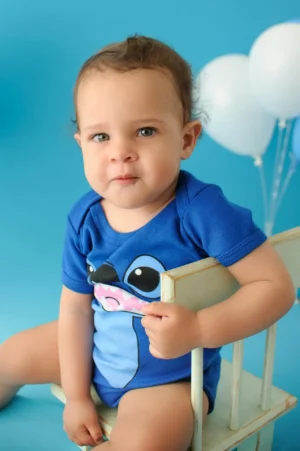
I remember sitting on the floor with my toddler, surrounded by blocks, trying to act chill while thinking, “Why is everyone else’s kid talking so much more?”
My friend’s child was saying full little sentences, and mine was happily shouting “ba! da! ahhh!” at the dog.
Of course, I did what so many of us do — I went down the late-night Google rabbit hole on Language Milestones, comparing charts, counting words, and stressing myself out more than I needed to.
If you’re here, you might be wondering :
- Is my child on track ?
- What’s “normal” for their age ?
- When should I be concerned ?
- And what can I do at home to help them ?
Take a deep breath, mama. 💛
Language development is a journey, not a race — and there’s a wide range of “normal.” In this post, we’ll walk through the typical Language Milestones from first coos to full sentences, how to gently support your child’s speech day to day, and when it might be worth checking in with a professional.
This isn’t about turning you into a speech therapist — it’s about giving you clarity, confidence, and a few playful tools you can use during everyday moments (diaper changes, snack time, bath time) to help your little one’s language bloom.
In this article : [+]
1. What Are Language Milestones (and Why Do They Matter)?
Language milestones are general guidelines for how most children’s communication skills grow over time — from cooing and babbling to telling stories and asking a million “Why?” questions.
They usually fall into two big buckets :
- Expressive language – what your child says (sounds, words, phrases, sentences).
- Receptive language – what your child understands (their name, simple directions, stories, questions).
Milestones are helpful because they :
- Give you a rough timeline of what many kids can do at different ages.
- Help you notice patterns — not just one day, but over weeks and months.
- Provide clues about when to ask for extra support, if needed.
What they don’t do :
- Define your child’s intelligence.
- Measure your worth as a parent.
- Predict exactly how your child will do later in school.
Think of milestones as road signs, not strict deadlines. They help you stay oriented, but your child might walk, run, or dance their way through them at their own pace.
2. Age-by-Age Snapshot : From Babbles to Sentences
Every child is unique, but here’s a simplified, mom-friendly overview of common Language Milestones. Remember: some kids focus on physical skills (climbing, running) first and language comes a bit later — and vice versa.
0–6 Months : Early Sounds & Connection
You might notice :
- Cooing, gurgling, and happy little squeals
- Smiling when you talk or sing
- Turning toward familiar voices
How you can support :
- Talk face-to-face while changing diapers or feeding.
- Copy their sounds and pause like you’re having a real conversation.
- Sing simple songs — babies love repetition and rhythm.
7–12 Months : Babbling With Meaning
You might notice :
- Strings of sounds like “bababa,” “dadada,” “mamama”
- Recognizing their name and simple words like “no,” “bye-bye”
- Waving, pointing, or using gestures to communicate
- First meaningful words around the end of this period (like “mama,” “dada,” “ball”)
How you can support :
- Point and label: “Ball! Red ball! Roll the ball.”
- Use simple, clear language: “All done,” “More banana,” “Big dog.”
- Respond to their pointing and gestures as “real” communication.
1–2 Years : Word Explosion (Sometimes Slowly, Sometimes Suddenly)
You might notice :
- Learning new words regularly (names of people, objects, favorite foods)
- Starting to combine two words: “more milk,” “mama up,” “daddy car”
- Understanding simple instructions like “bring the shoes” or “sit down”
Some kids seem to go from 3 words to 30 in what feels like a few weeks. Others build slowly and steadily. Both can be normal.
How you can support :
- Use short phrases: “Blue cup,” “Big truck,” “All done bath.”
- Offer choices you say out loud: “Do you want apple or banana?”
- Celebrate attempts, even if the word isn’t perfect: “Yes! You said ‘ba’ for ball!”
2–3 Years : Short Sentences & Big Opinions
You might notice :
- Two–three word sentences: “I want cookie,” “No nap now,” “Daddy go work.”
- Asking simple questions: “What’s that?” “Where dog?”
- Using “me,” “mine,” “you,” “I”
You’ll also hear a lot more opinions and feelings — language is one of the tools they use to assert independence.
How you can support :
- Expand what they say :
- Child: “Big truck!”
- You: “Yes, a big yellow truck is driving fast!”
- Ask open-ended questions: “What did you see at the park?”
- Narrate routines: “First we put on socks, then shoes, then coat.”
3–4 Years : Storytelling & “Why?” Everything
You might notice :
- 3–4 word sentences or longer
- Telling simple stories about their day
- Asking lots of “why,” “who,” and “where” questions
- Strangers understand much of what they say (even if not every word)
How you can support :
- Ask them to help “retell” simple events: “What did we do at Grandma’s?”
- Read longer picture books and pause to ask, “What do you think will happen?”
- Play pretend games (restaurant, doctor, grocery store) and talk through the roles.
4–5 Years : Complex Conversations
By this age, many kids can :
- Speak in full sentences with more details
- Use words like “because,” “but,” and “then”
- Follow multi-step directions
- Tell stories that (mostly) make sense from beginning to end
Not every child hits every milestone at the same time, but overall you’ll see a movement from sounds → words → phrases → stories.
3. Everyday Ways to Support Language (Without Extra “Work”)
Good news : you don’t need fancy flashcards or expensive programs to support Language Milestones. Your everyday life is the best “curriculum.”
Here are some simple, doable ideas :
1. Talk Through Your Day
You might feel silly at first, but narrating what you’re doing is powerful.
- “Now I’m cutting the apples. Chop, chop, chop.”
- “We’re putting on your blue socks. One, two.”
- “I hear a loud truck! It’s going vroom outside.”
Why it works :
Hearing rich, simple language all day long feeds your child’s vocabulary and helps them connect words to real-life actions and objects.
2. Follow Their Lead
Instead of asking quiz-style questions (“What color is this? Say ‘ball’!”), watch what your child is interested in and build language around that.
- If they’re staring at a dog: “Big dog! Brown dog. Dog is running.”
- If they’re lining up cars: “You have so many cars. Red car, blue car. The red car is fast!”
Why it works :
Kids learn best when they care about what’s happening. Following their lead respects their curiosity and encourages natural conversation instead of pressure.
3. Use Repetition (Without Feeling Like a Robot)
Repetition isn’t boring for little brains — it’s comforting.
Practical ways :
- Sing the same songs often.
- Read the same favorite books (yes, again 🥲).
- Use the same phrases: “All done,” “Time to clean up,” “Let’s wash hands.”
Why it works :
Repetition helps words “stick” and makes language predictable, which builds confidence and understanding.
4. Pause and Wait
This one is surprisingly hard. Instead of talking nonstop, try :
- Asking a question, then silently counting to 5 in your head.
- Pausing after you say something to give them a chance to respond with a sound, word, or gesture.
Why it works :
Many kids need extra time to process and respond. Our quiet, patient pause gives them the space they need to try.
5. Play, Pretend, and Be Silly
Language and play are best friends.
Ideas :
- Use stuffed animals to “talk” to each other.
- Have a pretend tea party and narrate: “Pour the tea. Stir, stir. Too hot?”
- Use silly voices, animal sounds, and exaggerated expressions.
Why it works :
Play lowers pressure, boosts connection, and makes language practice feel like fun — not a task.
4. Reading Aloud : One of the Best Gifts for Language
If you do only one “extra” thing for language, let it be reading together.
How to Read in a Language-Rich Way
You don’t have to read every word perfectly. Instead :
- Talk about the pictures: “Look! The boy is jumping in the puddle.”
- Ask simple questions: “Where is the cat?” “What is she holding?”
- Connect it to real life: “We have apples too! Remember we bought apples?”
Make it cozy — a blanket, a couch corner, or your bed at night. That emotional connection helps children associate books and language with comfort and love.
5. Encouraging Language in Bilingual Homes
If your family speaks more than one language, you might wonder how that affects Language Milestones.
Here’s the reassuring truth :
- Being exposed to two (or more) languages does not harm speech development.
- Bilingual kids may mix languages (“Spanglish,” “Franglais”) and that’s normal.
- They may sometimes take a bit longer to organize all their vocabulary, but they are building an incredibly rich language foundation.
Tips for bilingual families :
- Be consistent with how you use each language (e.g., one parent/one language, or home vs. outside).
- Don’t be afraid to speak your strongest, most comfortable language — rich vocabulary and connection matter more than perfection.
- Read books, sing songs, and tell stories in all of your family’s languages.
6. When to Watch More Closely (and When to Ask for Help)
This part can feel scary, but think of it as empowering information, not something to panic over.
Every child develops at their own pace, but it might be worth talking to your pediatrician or a speech-language pathologist if, over time, you notice things like:
- No babbling or very limited sounds by around 1 year
- No single words by around 16–18 months
- No word combinations (like “more juice”) by around 2 years
- Very little eye contact or response to their name
- A sudden loss of words or skills your child used to have
Trust your instincts. You know your child best.
Reaching out for an evaluation doesn’t mean you’ve “failed” — it means you’re brave and proactive. Early support can be incredibly helpful, and many kids make huge progress with a little extra guidance.
Important note :
This blog post is for general information only and is not a substitute for professional medical or developmental advice. If you’re worried at all, it’s always okay — and wise — to talk with your child’s healthcare provider.
7. Gentle Ways to Build Language Into Everyday Routines
You don’t need separate “learning time” to support Language Milestones. Here are simple ideas woven into what you already do:
Mealtime
- Name foods : “Carrot, chicken, rice.”
- Offer choices : “Do you want more rice or more chicken ?”
- Talk about senses : “Crunchy carrot, warm soup, sweet apple.”
Bath Time
- Name body parts: “Wash your arms, legs, tummy.”
- Use action words: “Splash,” “pour,” “squeeze,” “scoop.”
- Sing a simple, repeatable bath song.
Getting Dressed
- Talk through steps: “First socks, then pants, then shirt.”
- Let them help: “Can you find your blue shirt ?”
- Describe textures and colors: “Your soft, cozy, red sweater.”
Outside Play
- Talk about what you see: “Big tree, tiny ant, loud truck.”
- Use position words: “The ball is under the bench, on the slide, behind the tree.”
- Narrate their actions: “You’re running fast! Now you’re jumping.”
These little moments add up — they’re like language “deposits” into your child’s brain bank all day long.
8. Letting Go of Comparison (Hard, But Worth It)
I know it’s almost impossible not to compare.
You hear what other kids are saying at playgroup, your relatives make comments, and every social media post seems to show a child reciting the alphabet in three languages before age two.
Here’s your gentle reminder :
- Milestones are averages, not mandates.
- Your child is a whole person, not just a checklist.
- You are allowed to both support them and accept their unique pace.
If you catch yourself spiraling, try to shift your focus from:
“They’re not saying as many words as other kids…”
to :
“What new thing did they try today ?”
“How can I connect with them and talk a little more during our day ?”
You’re not behind. You’re learning alongside your child — and that counts.
Expert Insight (In Plain Mama Language)
Child development experts and pediatric organizations consistently emphasize a few key points about Language Milestones :
- Early interaction matters more than perfection. Everyday talking, reading, singing, and playing are the most powerful tools for speech and language.
- Quality over quantity of screen time. Real-life, face-to-face conversation is far more valuable for language than passive screen watching.
- Early support helps. If there is a delay, gentle early intervention and speech therapy can make a big difference — and many kids catch up beautifully.
You don’t have to remember complex theories or charts. If you’re :
- Talking with your child
- Responding to their attempts to communicate
- Reading together when you can
- Watching for patterns over time
…you’re already doing so much for their growing brain.
Encouragement & Support : You’re Doing Better Than You Think
Mama, if you’ve read this far, you clearly care deeply about your child’s development — and that love and attention matters more than any perfect milestone chart.
Some days you’ll be chatty and engaged. Other days you’ll be exhausted, and “Uh-huh, yes sweetheart” is all you’ve got. That’s okay. Your child doesn’t need a perfect parent — just a present, loving, good enough one.
Small things truly add up :
- One extra book at bedtime
- One more song in the car
- One more “Tell me about that” when they point or babble
Give yourself credit for what you’re already doing. Celebrate every new sound, word, and sentence — and remember that language is just one part of who your child is becoming.
You’ve got this. And on the days you feel unsure, you don’t have to walk it alone — your pediatrician, speech therapists, and yes, other moms (including the one typing this 😉) are in your corner.
Let’s Support Each Other
I’d love to hear from you :
👉 What’s your child’s cutest or funniest word or phrase right now ?
Share it in the comments — it might make another tired mama smile today.
And if posts like this help you feel a little more confident and a little less alone, make sure to join my email list for more mom-friendly guides on development, routines, and everyday life with little ones. 💛