
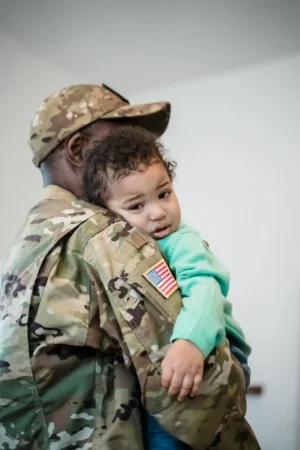
If you’re reading about Supporting Military Families, there’s a good chance you’re either living this life yourself or you love someone who is. Either way—big hug, friend. 💛
Military life can be beautiful and meaningful, but it’s also… a lot. One minute you’re in a good rhythm with school, work, and bedtime routines—and then you get orders, a deployment date, or a big transition you didn’t see coming. Suddenly, everyone in the family is adjusting at the same time.
I’ve talked with so many moms who tell me the same thing: “I’m trying to hold it together for the kids, manage all the logistics, and still feel like a person… and some days it’s just too much.” I’ve been there emotionally, too—that feeling of needing to be the steady one when inside you’re also sad, worried, or exhausted.
The good news? You don’t have to “be strong” all by yourself. There are practical ways to make deployment, homecoming, moves, and all the in-between moments a little gentler on you and your kids. In this post, we’ll walk through simple, doable ideas to support your military family—without expecting perfection from anyone (especially you).
Let’s take this one step at a time. 💭✨
In this article : [+]
1. Remember : Your Family Is Going Through a Lot (It’s Okay to Slow Down)
Before we get into tips and checklists, pause for a second and acknowledge something important :
Military life asks a lot of your family.
- Long separations
- Unpredictable schedules
- Moves far from extended family
- Constant goodbyes and new beginnings
If you feel like you’re “struggling,” it doesn’t mean you’re doing it wrong. It means what you’re going through is genuinely hard.
What helps :
- Lower the bar on perfection. Your house doesn’t have to look like Instagram during deployment. Cereal for dinner and extra screen time on rough days are not parenting failures.
- Name your season. Tell yourself, “We’re in a deployment season” or “We’re in a big transition season.” It gives you permission to simplify and focus on what truly matters: safety, connection, and basic routines.
- Use your energy where it counts most. Kids remember feeling loved, heard, and safe—not whether the floor was mopped twice a week.
2. Talking to Kids About Deployment and Big Changes
One of the biggest questions military parents have: What do I even say to my child?
You don’t have to give a TED Talk. You just need to be honest, simple, and reassuring.
How to talk about changes in kid-friendly language
- Use simple, concrete words.
- “Mommy is going on a trip with the Army for a while.”
- “Daddy will be far away, but we can still talk on the phone and video.”
- Explain what will stay the same.
- “You will still sleep in your bed, go to preschool, and I’ll still read bedtime stories.”
- Invite questions.
- “Do you have any questions about Mommy’s trip?”
- “Is there anything you feel worried about?”
- Be okay with repeat conversations. Young kids process slowly. They might ask the same question five different times. That doesn’t mean you did it wrong; it just means they’re still trying to make sense of it.
A little script you can use
“Daddy is leaving soon for a special job with the Navy. He will be gone for many sleeps, but he loves you so much. We’ll make a special picture for him and talk to him on the phone when we can. I will be here taking care of you, and you are safe.”
3. Create Simple Routines That Make Everyone Feel Safe
When life feels big and unpredictable, routines are like emotional seatbelts for kids. They don’t erase the hard stuff, but they keep everyone a little more secure.
You don’t need a color-coded schedule. Just focus on a few predictable anchors in the day :
- Morning rhythm :
- Wake up
- Get dressed
- Breakfast
- Quick cuddle or silly dance before leaving
- After-school/after-care rhythm :
- Snack
- Play or outside time
- Homework/quiet time
- Bedtime rhythm :
- Bath or wash-up
- Pajamas
- Story or family “check-in”
- Goodnight routine (same words or song every night)
Extra comforting ideas for military families
- “Kiss box” or “hug token” – A small box or envelope with little hearts or notes from the deployed parent. Kids can “take a kiss” or hug the token when they miss them.
- Countdown chain or calendar – If you have a rough idea of the deployment length, a paper chain or sticker calendar can help kids see time passing. (If dates are uncertain, use “milestones” instead of days: “After your birthday,” “After summer,” etc.)
- “Photo station” – A picture of the deployed parent by the bed or on the fridge where kids can say good morning/goodnight.
4. Staying Connected During Deployment (for You and the Kids)
Staying connected doesn’t have to be elaborate or perfect. Little, regular touches matter more than occasional big gestures.
Simple ways to connect kids and the deployed parent
- Video messages over live calls. Time zones and missions can make calls tricky. Short video messages can be watched and re-watched.
- Drawings and letters. Even scribbles from a toddler are gold for a deployed parent. Take a photo before mailing in case they get lost.
- Matching routines.
- “We read a bedtime story here, and Daddy reads the same one when he can.”
- “We’ll all look at the moon tonight and think of each other.”
Don’t forget your connection too
You’re not just “home base logistics.” You’re a partner.
- Send silly selfies, everyday photos, and little updates about your day—not just kid updates.
- Be honest about needing encouragement too.
- If communication is limited, write your thoughts in a journal to share later or to release the feelings in the moment.
5. Supporting Your Child’s Emotions (and Big Reactions)
Kids don’t always say “I’m anxious about deployment.” They show it.
You might see :
- Extra clinginess
- Tantrums or meltdowns
- Trouble sleeping
- Regression (bedwetting, baby talk, wanting more help)
- Changes in appetite or mood
This doesn’t mean you’re failing. It means they’re human.
How to respond in the moment
- Name the feeling :
- “You’re really sad Daddy isn’t here.”
- “You seem angry that things are different.”
- Validate:
- “It makes sense to feel that way.”
- “I miss Mommy too.”
- Offer comfort + tools :
- “Do you want a hug, your stuffed animal, or a quiet corner?”
- “Let’s take some dragon breaths together—big breath in, blow fire out.”
Kids feel safer when they learn: feelings are welcome, and I’m not alone with them.
6. Taking Care of Yourself as the At-Home Parent
This part is huge, friend. During deployment or busy training seasons, it’s easy to slide into “robot mode”: just keep everyone alive and ignore your own needs. But you’re a person, too.
Tiny, realistic self-care ideas
Forget spa days. Think 15-minute refills:
- Step outside with a cup of coffee or tea and just breathe.
- Put on a favorite playlist while you do dishes.
- Text a friend, “Today was hard. Can you send a meme?”
- Go to bed 20 minutes earlier and let the laundry wait.
Ask for and accept help (I know, easier said than done)
You’re not weak for needing support. You’re human. You can :
- Trade playdates or school drop-offs with another parent.
- Say yes when someone offers to bring a meal.
- Reach out to military family support groups, chaplains, or local resources.
Remember: you are part of the family you’re trying to protect. Your wellbeing matters.
7. Making Homecoming a Gentle Transition (Not Just a Big Party)
Homecoming videos are beautiful, but they skip the messy middle: actually living together again.
Everyone has changed during the separation—kids grew, routines shifted, and the deployed parent had intense experiences too.
Expectations to let go of
- That kids will instantly “warm up” and be glued to the returning parent. Some kids are shy or need time.
- That you’ll automatically fall right back into old roles.
- That everything will feel “normal” in a week.
What to focus on instead
- Slow reconnection :
- Short, one-on-one activities : reading, drawing, building Lego, going for a walk.
- Let the returning parent join existing routines instead of changing everything at once.
- Gentle role renegotiation :
- Have an adult conversation about chores, childcare, and finances when the kids aren’t around.
- You might say, “I’ve been doing bedtime solo. I’d love for you to take one night, and we can do the rest together.”
- Space for big feelings :
- Kids might be extra clingy to the at-home parent at first.
- The returning parent might feel left out or overwhelmed.
- Naming these feelings and being patient with each other is part of the process.
8. Handling Frequent Moves and School Changes
PCS orders again ? Deep breath. Moves are hard on adults and kids, but there are ways to soften the impact.
Before the move
- Talk about what’s coming.
- “We’re moving to a new house in a new state. There will be new parks, new school, and new friends.”
- Let kids say goodbye.
- Visit favorite playgrounds one last time.
- Draw pictures or make a little photo book of old friends and places.
During and after the move
- Set up their space first.
- Even if the rest of the house is boxes, try to get their bed, favorite toys, and night light ready.
- Explore together.
- Find a nearby park, library, and ice cream spot.
- Walk or drive by the new school before their first day.
- Stay connected to old friends.
- Schedule video calls or send drawings and letters.
Remind your child : “Home is wherever we are together. We bring our love with us.”
9. Building Your Village : Support and Resources
Being a military family can sometimes feel isolating—especially if you’re far from relatives. Your “village” might look different than you imagined, but it can exist.
Where to look for support
- On-base or installation resources
- Family readiness groups
- Support programs for spouses and kids
- Chaplains and family life counselors
- Local community
- Playgroups, library story times, mom groups
- Faith communities (if that fits your family)
- School counselors who know your child’s situation
- Online resources
- Military spouse Facebook groups or forums
- Online counseling or support groups
- Websites designed specifically for military kids and parents
The most important part isn’t where you find support—it’s that you’re not trying to carry everything alone.
10. When It’s Time to Ask for Extra Help
Some stress and acting-out is normal through deployment, moves, and big transitions. But sometimes, you may notice signs that your child (or you) needs more support.
For kids, watch for :
- Persistent sleep problems or nightmares
- Major behavior changes that don’t ease with time
- Big worries, sadness, or anger that feels constant
- Physical complaints (stomachaches, headaches) with no medical cause
For you, watch for :
- Feeling numb, hopeless, or constantly overwhelmed
- Trouble sleeping even when you’re exhausted
- Pulling away from people or things you used to enjoy
- Thoughts like “They’d be better off without me”
This is not a sign of weakness. It’s a sign that your nervous system is overloaded, and you deserve care, too. Reaching out to a counselor, doctor, chaplain, or support line can be a powerful, loving step for yourself and your family.
Expert Insight : Why Support Matters So Much
Child development experts consistently find that the quality of relationships around a child matters more than having a “perfect” situation.
Kids can go through hard things—deployments, moves, separations—and still grow up resilient when they have:
- At least one steady, loving adult who shows up for them again and again
- A sense of routine and predictability
- Safe spaces to talk about (or play out) their feelings
That loving adult is often you. And you don’t have to get it right 100% of the time. Showing up, apologizing when needed, and trying again is more than enough.
Encouragement for Your Heart
Mama, if you’re parenting in the middle of deployments, long trainings, reintegration, or constant moves, please hear this:
You are doing an incredibly hard job. You’re holding space for your kids’ feelings, making big decisions, and keeping life going while a huge piece of your heart is far away or readjusting. That is no small thing.
There will be messy days. There will be “I can’t do this” moments. None of that cancels out your love or your effort. Small, steady things—reading a picture book, sitting on the couch together, sending one silly photo to your partner—are shaping your family’s story in beautiful ways.
Give yourself the same grace you offer your kids. You’re allowed to be tired and still be an amazing parent. You’re allowed to need support and still be strong. You and your family are worthy of care, just as you are. 💛
Let’s Keep This Conversation Going
I’d love to hear from you.
What part of military life has been the hardest for your family—deployment, moves, homecoming, or something else?
Share your experience or your favorite tip in the comments. Your story might be exactly what another military mom needs to read today.
And if you’d like more gentle, practical support for family life, routines, and emotional health, make sure to join my email list—I share cozy, heart-level tips just for moms walking through big seasons like this. 💌