
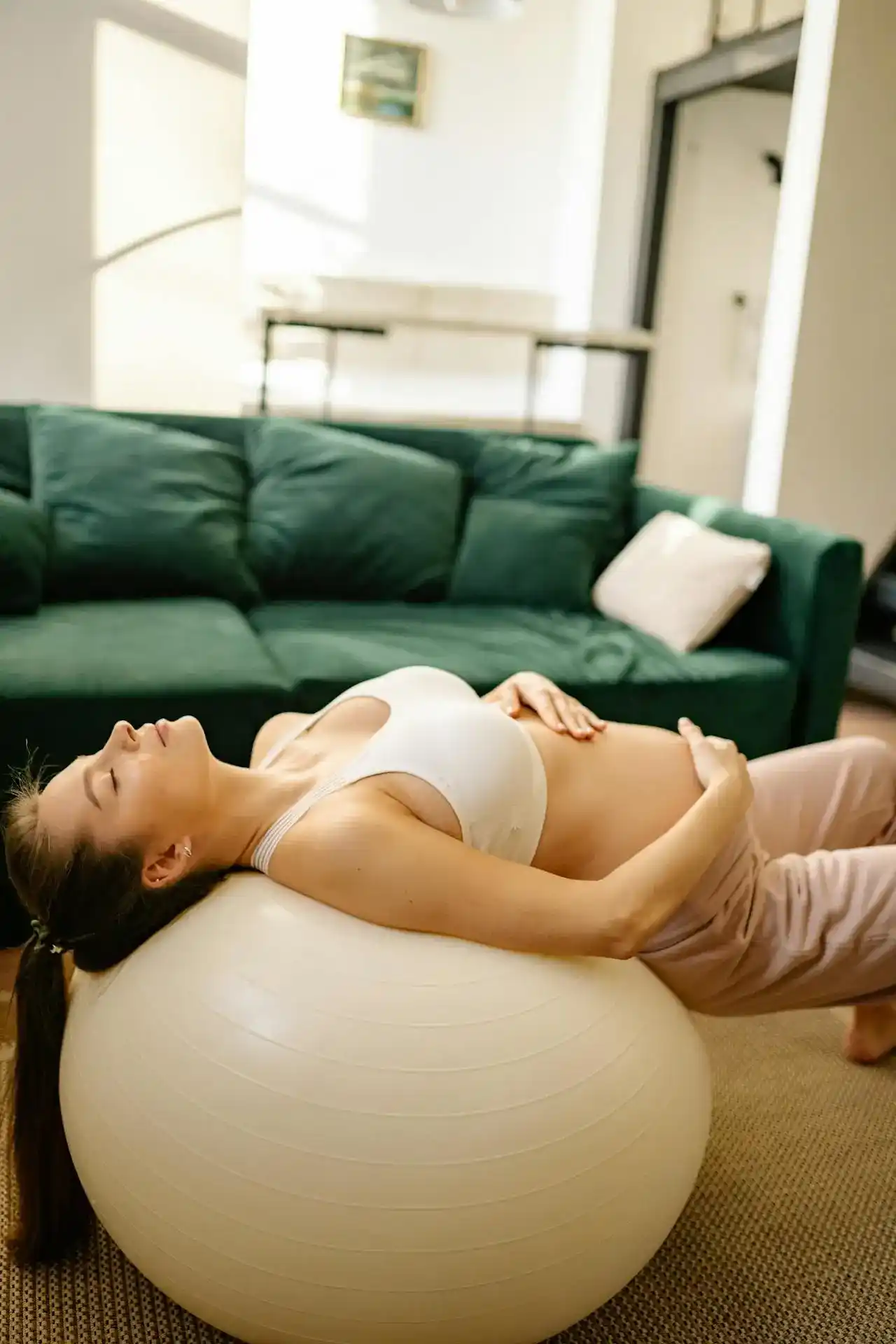
When I first shuffled into the gym with a growing belly and a bag full of gear, I felt like I needed a personal instruction manual. I wanted to stay strong, sleep better, and keep back pain away—but I also needed clear, safe exercises with equipment for pregnancy that wouldn’t leave me guessing. Between the hormone relaxin (hello, wobbly joints), changing balance, and that “is this position okay?” voice in my head, I craved simple guidance and moves that felt good right now.
If that’s you too—hi, friend. I’ve been there. The good news: you don’t need complicated machines or intense routines to feel strong and supported. With a few pieces of friendly equipment—like a stability (birthing) ball, resistance bands, and light dumbbells—you can build the kind of strength that eases back aches, supports your pelvic floor, and preps your body for birth and postpartum life. Below you’ll find step-by-step moves, trimester tweaks, and “mom notes” from someone who learned to love short, effective workouts between snack breaks and naps.
Quick safety vibes : Get your provider’s thumbs-up first. Move at a conversational pace (you should be able to chat), stop if anything feels off, and modify more as your belly grows. Hydrate, breathe, and avoid overheating.
In this article : [+]
Your Friendly Equipment Guide (What to Use & Why)
- Stability/Birthing Ball : Posture support, core/pelvic floor coordination, and sweet relief for back/hip pressure.
- Resistance Bands (long + mini loops) : Joint-friendly strength for upper back, hips, and arms; perfect when dumbbells feel too much.
- Light Dumbbells or Kettlebell (5–15 lb range) : Build practical strength for lifting baby gear—without overloading joints.
- Suspension Trainer (e.g., TRX) : Adjustable bodyweight rows and squats with built-in balance help.
- Stationary Bike or Elliptical: Low-impact cardio you can cruise at your own pace.
- Yoga Mat + Bolster/Pillows : Comfort and support for elevated or side-lying work after the first trimester.
- Foam Roller/Massage Ball (optional) : Gentle release for upper back, hips, and calves on days you feel tight.
10 Practical Sections with Step-by-Step Moves (and Real-Talk Tips)
You don’t need them all at once. Pick 5–7 moves and rotate. Aim for 2–3 strength sessions/week, with light cardio or walks sprinkled in.
1) Stability Ball Basics : Core Support Without Crunches
Why it helps : Encourages neutral posture, builds deep core and pelvic floor coordination, and eases back tension.
- Seated Pelvic Tilts (10–12 slow reps) : Sit tall, feet hip-width. Inhale to grow tall; exhale to gently tuck your tailbone and lift your pelvic floor (think “zip up”). Return to neutral.
- Ball Marches (8–10/side) : Stay tall, ribs over pelvis. Lift one foot an inch, then the other. Keep the ball steady.
- Leaning Ball Stretch (30–45s) : Kneel behind the ball, drape your chest and arms over it, and breathe into your sides and back.
Mom note : On days my back felt “complainy,” marches + leaning stretch were instant relief.
2) Band Rows & Pull-Apart : Upper-Back Strength for Better Posture
Why it helps : Counters rounded shoulders and supports the neck as your center of gravity shifts.
- Anchored Band Row (2–3 sets × 10–12) : Secure band at chest height. Step back, soften knees. Pull elbows to ribs; think “squeeze shoulder blades into your back pockets.”
- Band Pull-Apart (2 sets × 8–10) : Hold band at shoulder height, arms long. Gently pull hands apart until shoulder blades kiss; return with control.
Cue : Keep your ribs stacked over your pelvis—no leaning back. Light resistance goes a long way.
3) Goblet Squat (Dumbbell/Kettlebell) : Your Everyday Strength Hero
Why it helps : Trains legs and glutes for lifting baby, car seats, and laundry baskets—without stressing the belly.
- How (2–3 sets × 8–10) : Hold a light weight at your chest, elbows down. Feet slightly wider than hips, toes just turned out. Inhale, sit back and down; exhale, stand tall.
- Tweak : If the weight bugs your bump later on, ditch it and do bodyweight or use a counter for support.
Mom note : I sometimes swap this for Wall Squats with a Ball—leaning the ball between back and wall for extra support.
4) Hip Hinge (Dumbbell RDL or Band Good Morning)
Why it helps : Strengthens glutes/hamstrings to take pressure off your low back.
- Dumbbell RDL (2–3 sets × 8–10) : Feet hip-width. Soften knees, hinge from hips like you’re closing a drawer with your backside. Keep weight close to legs. Stand by pressing through heels.
- Band Good Morning : Loop a long band around your shoulders and under your feet. Hinge forward, then return to tall.
Cue : Long spine, ribs stacked, no belly “bearing down.” If you feel your back, go lighter and hinge less.
5) Standing Press or Landmine-Style Push (Gentle)
Why it helps : Shoulder strength for carrying all the things—safely.
- Overhead Press (light) (2 sets × 8–10) : One or two light dumbbells. Exhale to press just to comfortable range; inhale down.
- Landmine-Style Push (band) (2 sets × 8–10) : Anchor band low behind you; stagger stance; press forward and slightly up—great if overhead feels crunchy.
Tweak : In late pregnancy, many moms prefer front-press or lateral raises instead of full overhead.
6) Mini-Band Glute Series : Side Steps, Clamshells, Bridges
Why it helps : Strong side-hip muscles support the pelvis and calm sciatic grumbles.
- Side Steps (2 × 8–10/side) : Band at ankles or above knees, knees soft, hips back a hair. Step-tap, keeping toes forward.
- Clamshells (2 × 10–12/side) : Side-lying, band above knees. Keep feet together; open top knee without rolling backwards.
- Bridges (2 × 10–12) : Early pregnancy only or elevate torso on pillows later. Exhale to lift, inhale lower.
Mom note : I do side steps while tidying toys—functional fitness, ha!
7) Suspension Trainer Rows & Squats (Optional)
Why it helps : Built-in balance assistance and adjustable difficulty.
- Rows (2–3 sets × 8–10) : Lean back holding straps, body in a plank line. Pull chest toward handles.
- Assisted Squats (2 × 8–10) : Use straps to sit back with control, then stand tall.
Tweak: The steeper you lean, the harder it gets. Stand more upright to dial it down.
8) Stationary Bike or Elliptical : Low-Impact Cardio You Can Chat Through
Why it helps : Boosts mood, energy, and circulation without pounding your joints.
- Easy Intervals (10–20 min) :
- 3 min gentle warm-up
- 6–12 min of 1:00 “comfortable” / 1:00 “very easy”
- 3–5 min cool-down
Talk test : You should be able to say a few sentences without gasping. If not—slow your roll.
9) Gentle Core & Pelvic Floor with the Ball
Why it helps : Teaches your core, breath, and pelvic floor to be teammates.
- Seated 360° Breathing (5 breaths) : Hands on ribs. Inhale wide (front/sides/back); exhale gently “zip up” from pelvic floor to low belly.
- Seated Anti-Rotate Press (Pallof) (2 × 8–10/side) : Band anchored to your side. Press hands forward; resist the band’s pull without twisting.
- Tailbone Tucks (10 reps) : Tiny posterior tilts to find neutral.
Cue : No crunches or planks needed. Think coordination, not burn.
10) Cooldown : Stretch & Soothe (2–5 Minutes)
Choose two : Wall Chest Opener, Seated Hamstring, Calf Stretch, Child’s Pose (supported), Figure-Four (chair). Breathe slow and melt.
A Plug-and-Play 25-Minute “Bump-Safe” Circuit
Warm-up (3 min) : March in place + arm circles + gentle hip circles
Circuit (repeat 2–3x) :
- Band Rows — 10–12
- Goblet Squat (or Wall Squat with Ball) — 8–10
- Mini-Band Side Steps — 8–10/side
- Dumbbell RDL (light) — 8–10
- Seated Ball Marches — 10/side
Finisher (4–6 min) : Bike/Elliptical easy intervals (1:00 “comfortable” / 1:00 “very easy”)
Cooldown (2–3 min) : Chest opener + hamstring + ankle pumps
How it feels : Steady, strong, and do-able—no lying flat, no breath-holding, and plenty of support.
Trimester Tweaks (Because Your Body is Changing Daily)
- First Trimester : Energy can be up-and-down. Shorter sessions (15–20 minutes) count. Focus on learning form and breath.
- Second Trimester : Belly + balance shift. Use the ball, counter, or straps for support. Limit long spans on your back—choose side-lying or elevated moves.
- Third Trimester : Prioritize comfort and posture: rows, side steps, ball work, bike. Swap overhead press for front raises if overhead feels crowded. Add longer warm-ups and more rest.
Troubleshooting : Common “Hmm, That Feels Weird” Moments
- Back feels tight during squats/hinges : Reduce range of motion; try wall squats with ball or lighter load.
- Wrist strain in rows/presses : Neutral wrists; loosen grip; use bands instead of dumbbells.
- Dizzy lying down : Elevate your torso with pillows or move to side-lying or seated.
- Pelvic pressure : Switch to supported moves (ball, straps), shorten sets, and include more breath-led core work.
- Round ligament twinges : Slow transitions, add a gentle warm-up, and avoid sudden twisting.
Expert Insight (Short & Mom-Friendly)
- Many prenatal guidelines encourage about 150 minutes/week of moderate activity plus 2–3 strength sessions if your provider agrees.
- Emphasize good form, breath, and manageable loads over “more weight.” Your joints are looser; muscle engagement + control matter most.
- If you have pain, leaking, doming/coning at the midline, or persistent pelvic heaviness, ask your provider about a pelvic floor physical therapist—they’re wonderful.
A Realistic Weekly Plan You Can Tweak
- Mon : 25-min circuit (rows, squats, side steps, RDL, ball marches)
- Tue : 20-min walk or bike + 3 gentle stretches
- Wed : Band upper-body focus (rows, pull-apart, chest press) + glute work (clamshells) — 20 min
- Thu : Restorative day (ball stretches, Child’s Pose, ankle pumps) — 10–15 min
- Fri : 25-min circuit (add light press variation; swap in assisted squats or TRX rows)
- Sat : Easy elliptical 15–20 min + foam roll calves/upper back
- Sun : Rest or mini mobility (5–10 min)
Permission slip : Swap days, shorten sessions, repeat favorites. Small, consistent efforts win.
Quick FAQs (Because We All Wonder)
Nope. Pregnancy is about maintaining and moving well. Lighter loads, higher quality reps, and steady breathing are perfect.
Yes—with the right kind. Choose breath-led, anti-rotation, and posture-focused moves. Skip crunches and long supine holds after the first trimester.
Start with bands, the stability ball, and short intervals on the bike/elliptical. 10–15 minutes is a win.
Wrapping Up with Love & Support
Mama, your workouts are not about “bouncing back.” They’re about feeling good now—less achy, more mobile, and more confident carrying your beautiful bump. A few steady sessions each week can brighten your mood, help you sleep, and make daily life easier. Let these simple tools be your cheerleaders: the squishy stability ball, the humble resistance band, and those kind, light dumbbells. Go gently. Celebrate the little victories. Your strength is already showing up—in every breath and every rep.
What piece of equipment feels most “you” right now—the stability ball, bands, or bike? Drop your favorite move (or the one you want help with) in the comments. Want a printable 25-minute circuit with trimester tweaks? Join my email list and I’ll send it right to your inbox!