
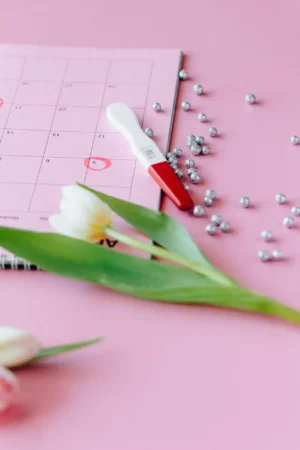
When I first started googling how to get pregnant fast, I felt totally overwhelmed. Open ten tabs and you’ll find ten different “must-do” lists. I remember staring at a brand-new ovulation kit thinking, “What if I mess this up?” If that’s you—take a breath. I’ve been there, too.
Here’s the truth: your body is not working against you. A lot of conception comes down to timing and a few consistent, doable habits. Most healthy couples don’t get pregnant the very first month (many conceive within six months, and it’s still normal for it to take up to a year)—so “fast” often means “smarter, calmer, and better-timed,” not “instant.” In this guide, I’ll walk you through the exact steps that make the biggest difference—no gimmicks, no stress spirals. Just clear, friendly help you can start today.
In this article : [+]
1) Know Your Fertile Window (It’s Short—but Mighty)
Pregnancy is most likely during a 6-day window each cycle: the five days before ovulation plus ovulation day. Sperm can live up to about 5 days, while the egg is viable for 12–24 hours, which is why hitting that window matters so much. MedlinePlus
How to spot it :
- Ovulation predictor kits (OPKs) : These urine tests spot the LH surge that happens roughly 24–36 hours before ovulation—aka your two most fertile days. If your test turns positive today, plan sex today and tomorrow.
- Cervical mucus clues : When you’re most fertile, discharge looks like clear, stretchy “raw egg white.” After ovulation it usually turns thicker/cloudier.
- Basal body temperature (BBT) : Your resting temp rises slightly after ovulation; it’s better for seeing patterns over a few cycles than predicting the day-of.
- Calendar method : Ovulation tends to occur about 14 days before your next period, but cycles vary—so use it as a rough guide, not gospel. (Tracking apps can help.)
Friendly note : If your cycles vary a lot, lean on OPKs + mucus changes more than the calendar.
2) Time Sex Simply (No Acrobatic Scheduling Required)
You don’t need a complicated schedule. The highest pregnancy rates happen when couples have sex every day or every other day during the fertile window. If tracking feels stressful, sex every 2–3 days throughout the cycle still puts you in a great position to catch ovulation.
My take : We did best when we aimed for “every other day” the week an OPK usually turns positive—way less pressure, way more connection.
3) Eat to Support Fertility (Without a Diet Overhaul)
You don’t need a perfect plate—just consistent, balanced meals :
- Plenty of plants : Fruits, veggies, whole grains (for fiber and antioxidants).
- Quality protein & healthy fats : Eggs, fish lower in mercury, legumes, olive oil, avocado, nuts.
- Start (or switch to) a prenatal vitamin : Choose one with at least 400 mcg folic acid—ideally before you conceive—to help prevent neural tube defects.
Quick tip : If you’ve had a prior pregnancy affected by a neural tube defect, talk to your clinician—some people are advised to take a higher folic acid dose when trying again.
4) Move Your Body—But Don’t Overdo It
Moderate movement (think brisk walking, cycling, gentle strength) supports hormones, weight, insulin sensitivity, sleep, and mood—all of which can help fertility. On the flip side, excessive or very intense training can sometimes disrupt ovulation in some women. Aim for consistency and balance over extremes.
What helped me : 30–40 minutes most days—walks, light strength, and stretching. If you’re training hard, add rest days and fuel well.
5) Make a Few High-Impact Lifestyle Tweaks
Small changes = big wins over a few cycles.
- Caffeine : Keep it ≤200 mg/day (about one 12-oz coffee).
- Alcohol : Best to avoid when trying to conceive—those early weeks can count before you even miss a period.
- Smoking & drugs : Both can harm egg and sperm quality—quitting is one of the most powerful fertility boosts you can give yourselves.
- Lubricant check : Many common lubes can slow sperm; choose fertility-friendly products or skip lube if you can.
- For him—avoid heat on the testicles : Frequent hot tubs/saunas or other heat exposures may reduce sperm quality; effects can often improve after stopping.
Sleep & stress : Think “steady, not perfect.” A regular bedtime and a quick daily de-stress routine (10 minutes of breathing, journaling, or yoga) can help you feel human while you try.
6) Keep Sex Low-Pressure and Comfortable
The goal is connection, not a checklist. A few myths to drop :
- Positions don’t “guarantee” pregnancy. Choose what’s comfortable.
- You don’t need to stay still for 30 minutes afterward. Relax together if it feels good; otherwise, carry on with your day.
- Morning vs. night doesn’t matter. What matters is when in your cycle.
If dryness is an issue, pick a sperm-friendly lubricant (it will say so on the label).
7) Track What Matters (Without Making It a Second Job)
A simple, sustainable system beats a perfect one you’ll abandon in week two :
- Choose two trackers max : e.g., OPK + notes on cervical mucus (or OPK + app).
- Log cycle length: Knowing your shortest and longest cycles helps you anticipate your fertile window.
- Note patterns, not perfection : After 2–3 cycles you’ll see your rhythm—and your stress level will go down.
When I stopped trying to do “all the things” and stuck to OPKs + a few notes, everything felt lighter—and we timed things better.
8) Support a Healthy Weight (Kindly)
Being underweight or overweight can affect ovulation and hormones; for men, higher BMI can impact sperm parameters. You don’t need a crash diet—focus on steady routines: real meals, movement, sleep, hydration. If weight’s been a struggle, a chat with your clinician or dietitian can make a world of difference.
9) Meds, Supplements, and Tests—What to Ask Your Provider
Bring your current meds and supplements to a preconception check-in (even if it’s a quick tele-visit). Ask about :
- Safe allergy, pain, acne, or mental-health meds while TTC
- Whether you need thyroid or vitamin D checks
- If you have PCOS, endometriosis, very painful or very irregular periods, or a history of pelvic infections or surgery—ask when to seek earlier evaluation.
10) When to See a Doctor (So You Don’t Wait Too Long)
Most couples conceive within a year. If you’re not pregnant :
- Under 35 : Check in after 12 months of well-timed trying
- 35 or older : Check in after 6 months
- Any age with risk factors (very irregular cycles/no periods, known uterine/tubal issues, endometriosis, prior pelvic infection/surgery, or male factor concerns): seek advice sooner.
This doesn’t mean something is “wrong”—it just opens the door to simple testing and tailored next steps (sometimes it’s as straightforward as ovulation support or a semen analysis).
Quick Start Checklist (Pin This!)
- Start (or switch to) a prenatal with 400 mcg folic acid ✔︎
- Use OPKs and watch cervical mucus to pinpoint fertile days ✔︎
- Plan sex every day or every other day during your window ✔︎
- Keep caffeine ≤200 mg/day, avoid alcohol, and skip sperm-unfriendly lubes ✔︎
- Move your body moderately; avoid extreme training ✔︎
- For him: minimize heat (hot tubs/saunas) ✔︎
- Know when to seek help (12 months <35; 6 months 35+) ✔︎
Expert Insight (What the Research Says)
- Hitting the window matters : There are roughly six fertile days per cycle (the five days before ovulation + ovulation day), because sperm can survive up to 5 days and the egg lives 12–24 hours. That’s why timing is everything.
- Simple timing works : Every 1–2 days around ovulation yields the best pregnancy rates; long gaps can lower your chances of hitting the right day.
- Preconception folic acid: A daily 400 mcg folic acid supplement before pregnancy helps prevent neural tube defects—start now if you’re trying.
- Caffeine & alcohol: Keep caffeine ≤200 mg/day, and avoid alcohol while trying to conceive so you’re covered during those early, “I didn’t know yet” weeks.
Wrapping Up with Love & Support
Mama (or mama-to-be), you’re doing your best. Trying to conceive can be a roller coaster of hope and what-ifs. If a month doesn’t go your way, it doesn’t mean your body failed—it just means you’re human. Keep focusing on the few things you can control: timing your fertile days, caring for your body, and protecting your peace. Small, steady steps add up. You’ve got this—and I’m cheering you on, cycle by cycle.
Got a question—or a tip that helped you? Drop it in the comments so another mama can learn from you. Want more gentle, research-backed TTC guides, checklists, and printable trackers? Join my email list and I’ll send the “Fertile-Window Planner” straight to your inbox. 💌
This article is for general education and support—it’s not a substitute for personalized medical advice. Always speak with your healthcare provider about your specific situation.