
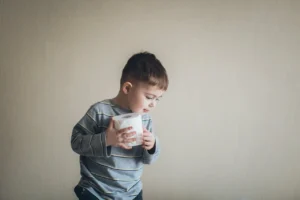
I still remember the week I decided, “Okay, this is it. We’re doing this. No more diapers.”
I had my cute little potty, the special underwear, even a sticker chart printed and ready.
By 10 a.m. on day one, there was pee on the floor, poop in the underwear, and I was wondering if my Potty Training Plan needed to be thrown straight in the trash. My toddler was crying, I was frustrated, and I honestly thought, “Maybe we’re just not cut out for this.”
If you’re feeling that way right now, please hear me : you are not alone, and you’re not doing it wrong. Potty training is messy, emotional, and often way less “Pinterest-perfect” than anyone admits.
The good news ? You don’t need magic tricks or a super-strict method. You need :
- A realistic Potty Training Plan
- Clear, simple steps
- A lot of patience (and maybe some extra coffee)
In this post, we’ll walk through a gentle, step-by-step approach you can adapt to your child’s pace. We’ll talk about how to know if your child is ready, how to start, what to do when accidents happen, and how to stay calm when you’d rather cry into a pile of tiny underwear.
You’ve got this, mama. Let’s build a plan that works for your real life—not a perfect one, a doable one.
In this article : [+]
Step 1 – Make Sure Your Child Is Actually Ready
Before any plan, we need to answer the big question: “Are they ready… or am I just ready?”
Most kids are ready somewhere between 18 months and 3 years, but age is less important than signs of readiness, like :
- Staying dry for 2+ hours during the day
- Waking up dry from some naps
- Hiding to poop or going to a particular corner
- Showing interest in the toilet (“What are you doing, Mommy?”)
- Being able to walk to the bathroom and help pull pants up/down
- Understanding simple directions (“Let’s go sit on the potty”)
If your child is going through a big change (new sibling, moving, new daycare), it’s okay to hit pause. Potty training during stress can turn into a power struggle.
Mom-to-mom : If your gut says, “This feels like a fight every single time,” it might not be your plan. It might just be timing. It’s okay to try again later.
Step 2 – Prep Phase : Set the Stage (No Pressure Yet)
Before you jump into full training mode, spend a few days or weeks just warming up your toddler to the idea.
1. Gather Simple, Helpful Supplies
You don’t need to spend a fortune. A basic setup might include :
- A child-sized floor potty or a toilet seat insert + step stool
- A few pairs of fun underwear with their favorite characters
- Easy-on/off pants (no complicated buttons)
- Potty books or a short potty song
- A small reward system if you want (stickers, stamps, high-fives, not candy every time)
Let your child help pick their potty or underwear. It gives them ownership:
“This is my potty. These are my special big-kid undies.”
2. Talk About the Potty in Everyday Language
Start weaving potty talk into daily life without pressure :
- “I’m going to the bathroom. My body is telling me it needs to pee.”
- “Soon, your body will tell you too, and you’ll use your potty.”
- Read potty books together and point out characters “learning,” not “being perfect.”
3. Normalize Sitting on the Potty
You can :
- Invite them to sit on the potty fully clothed at first
- Let a favorite stuffed animal “learn to use the potty”
- Offer a tiny reward for just trying, not necessarily peeing
This phase is like a gentle pre-training: zero pressure, zero expectations—just planting seeds.
Step 3 – Choose Your Potty Training Style
There’s no one “right” way. Choose a Potty Training Plan that fits your child and your personality.
1. Option A – The “Long Weekend” / 2–3 Day Focus
This works well if :
- You can stay home for a few days
- Your child is clearly ready
- You’re okay with a messy but intensive start
Basic idea :
- Ditch daytime diapers (except naps if needed)
- Keep your child in underwear or bare-bottom
- Offer the potty very often and watch for cues like squirming, hiding, or grabbing
2. Option B – Slow and Steady
This works well if :
- Your schedule is busy or unpredictable
- Your child is curious but a bit cautious
- You know high pressure will backfire
Basic idea :
- Start with one or two sit times a day (e.g., after breakfast and before bath)
- Gradually add more potty times
- Move from diapers → training pants → underwear over several weeks
Remember : You can mix-and-match. Many parents start with a focused weekend and then move into a slower, steady rhythm.
Step 4 – Day One : How to Actually Start
Let’s imagine your “start day” is here. What does it look like?
1. Start the Day with a Clear, Positive Message
You might say :
“Today you get to learn how to use the potty like a big kid! We’ll have accidents, and that’s okay. We’ll just practice together.”
Keep it exciting but not intense. We’re aiming for, “New skill!” not, “Pass this test or else.”
2. Dress for Success
- Bare-bottom or loose shorts/leggings are easiest
- Avoid rompers, tight jeans, or anything slow to pull down
- Keep extra clothes and cleaning supplies ready
3. Use Regular Potty Opportunities
Good times to take them :
- Right after waking up
- About 20–30 minutes after drinking
- After meals
- Before going outside or in the car
- Before nap and bedtime
You can set a gentle timer (“When the timer sings, we’ll try a potty sit!”). Keep sits short, 2–3 minutes, and never force them to stay there.
4. Celebrate Any Progress
In the beginning, a “win” is :
- Sitting on the potty
- Telling you they need to go (even if it’s too late)
- Staying dry for a bit longer than usual
Use specific, warm praise :
- “You listened to your body—great job!”
- “You told me you needed to pee. That’s a big-kid skill!”
Step 5 – Handling Accidents (Without Losing Your Mind)
Accidents are not a sign your Potty Training Plan failed. They’re part of how kids learn.
1. Stay Calm and Neutral
Easier said than done, I know. But try something like :
“Oops, pee goes in the potty, not on the floor. Let’s clean it up together.”
What to avoid :
- Shaming (“You’re too big for this”)
- Threats (“No TV if you keep peeing your pants”)
- Overreacting emotionally (kids may feel scared or defiant)
2. Involve Them in Cleanup
Not as punishment, but as learning :
- Hand them a small cloth or paper towel
- Let them help put wet clothes in a laundry bin
- Calmly guide them: “We clean up, then we try again next time.”
This reinforces the cause-and-effect of their body signals.
3. Watch for Patterns
If accidents happen :
- Always around a certain time? Try a scheduled potty trip just before.
- During play? They may be too distracted—remind them more often.
- With poop only? That’s super common—poop can feel scary.
A pattern doesn’t mean failure; it means you have a clue about what to adjust.
Step 6 – Poop, Fear, and “Holding It”
Many toddlers are fine with pee but freak out over poop.
Common reasons :
- Poop feels strange leaving the body
- They once had a painful poop (constipation)
- They don’t like the sound or feel of it in the toilet
1. Make Poop Less Scary
You can :
- Let them poop in a diaper in the bathroom at first
- Progress to pooping in a diaper while sitting on the potty
- Then gently shift toward “Let’s try without the diaper”
Talk about it calmly :
“Poop is just waste your body doesn’t need anymore. Everyone poops—me, Daddy, Grandma, even the dog!”
If poop is hard or painful, talk to your pediatrician about diet, fluids, or other options. Don’t let constipation become a long-term fear trigger.
Step 7 – Building a Consistent Routine
Once you’re a few days in, consistency becomes your best friend.
1. Keep the Schedule Simple
Aim for :
- Morning potty after waking
- Potty before leaving the house
- Potty before nap and bedtime
- Potty at natural transition times (before/after meals, after coming indoors)
Having predictable potty times helps your child’s body and brain work together.
2. Use Positive Reinforcement
Some ideas :
- Sticker chart for “tries” and “successes”
- Special high-five or “potty dance”
- “Big-kid privilege” for progress (choosing the bedtime story, helping push the cart at the store)
The motivation should be about confidence and pride, not pressure.
Step 8 – Naps, Nighttime, and Leaving the House
Daytime potty training and nighttime dryness are two different skills.
1. Naps
- Many toddlers still wear a diaper or training pants for naps at first
- You can try nap without diapers once daytime is going well and they often wake dry
- Always potty before nap, and keep a mattress protector on the bed
2. Nighttime
Night dryness can come months (or years) after daytime.
- It’s completely normal to keep night diapers or pull-ups
- Wait until your child often wakes up dry before trying night training
- Limit big drinks right before bed
- Always potty before lights out
3. Going Out
Real life doesn’t stop for potty training, unfortunately.
- Pack a small potty kit: extra underwear, pants, wipes, a plastic bag
- Have them try before leaving and once you arrive somewhere
- For long trips, it’s okay to use a pull-up as a backup while still encouraging potty use
Step 9 – Dealing with Setbacks and Regression
Even with a solid Potty Training Plan, regressions are common—especially during :
- Illness
- Big changes (new sibling, new childcare, moving)
- Growth spurts or developmental leaps
1. When Regression Happens
Go back to basics :
- Increase potty reminders
- Use more praise for small wins
- Keep the tone calm and matter-of-fact
Sometimes, a brief return to diapers (with clear communication—“We’ll try again in a little while”) can be kinder for everyone if things are very stressful. It’s not failure; it’s a reset.
Expert Insight : Why Gentle Works
Pediatricians and child development experts often highlight two key points about potty training :
- Readiness matters more than age.
When we wait for clear signs of readiness, training tends to be quicker and less stressful. - Pressure backfires.
Heavy pressure, punishment, or shaming can turn potty training into a battle of wills and even slow progress.
A positive, connection-focused approach protects your relationship with your child and supports their developing sense of independence and body awareness.
Encouragement & Support : You’re Doing Better Than You Think
Mama, if no one has told you this today: potty training is a big emotional load—for you as much as your child.
You’re juggling laundry, messes, schedules, and big feelings (both theirs and yours). It’s completely normal to feel tired or doubt your approach.
Remember :
- Potty training is a season, not a forever thing
- There is no medal for “fastest trained toddler”
- Mistakes and accidents are part of learning, not proof you’re failing
Take breaks when you need to. Laugh when you can. Celebrate even the smallest wins—a successful sit, a dry morning, a child proudly flushing and washing hands.
You and your child are a team. And team progress is still progress, even if it’s slow.
You’ve got this. 💛
Share Your Experience
I’d love to hear from you!
- Are you just starting your potty training journey?
- In the messy middle?
- Or on the other side with some wisdom to share?
👉 Drop your best potty training tip or funniest potty mishap in the comments.
Another tired mama might read it tonight and feel a little less alone.
And if you’d like more real-life parenting tips, simple routines, and sanity-saving ideas, join my email list so we can walk this journey together—one tiny milestone (and one less diaper) at a time.